The Science-Backed Night Routine: How Evening Habits Set Up Tomorrow's Success
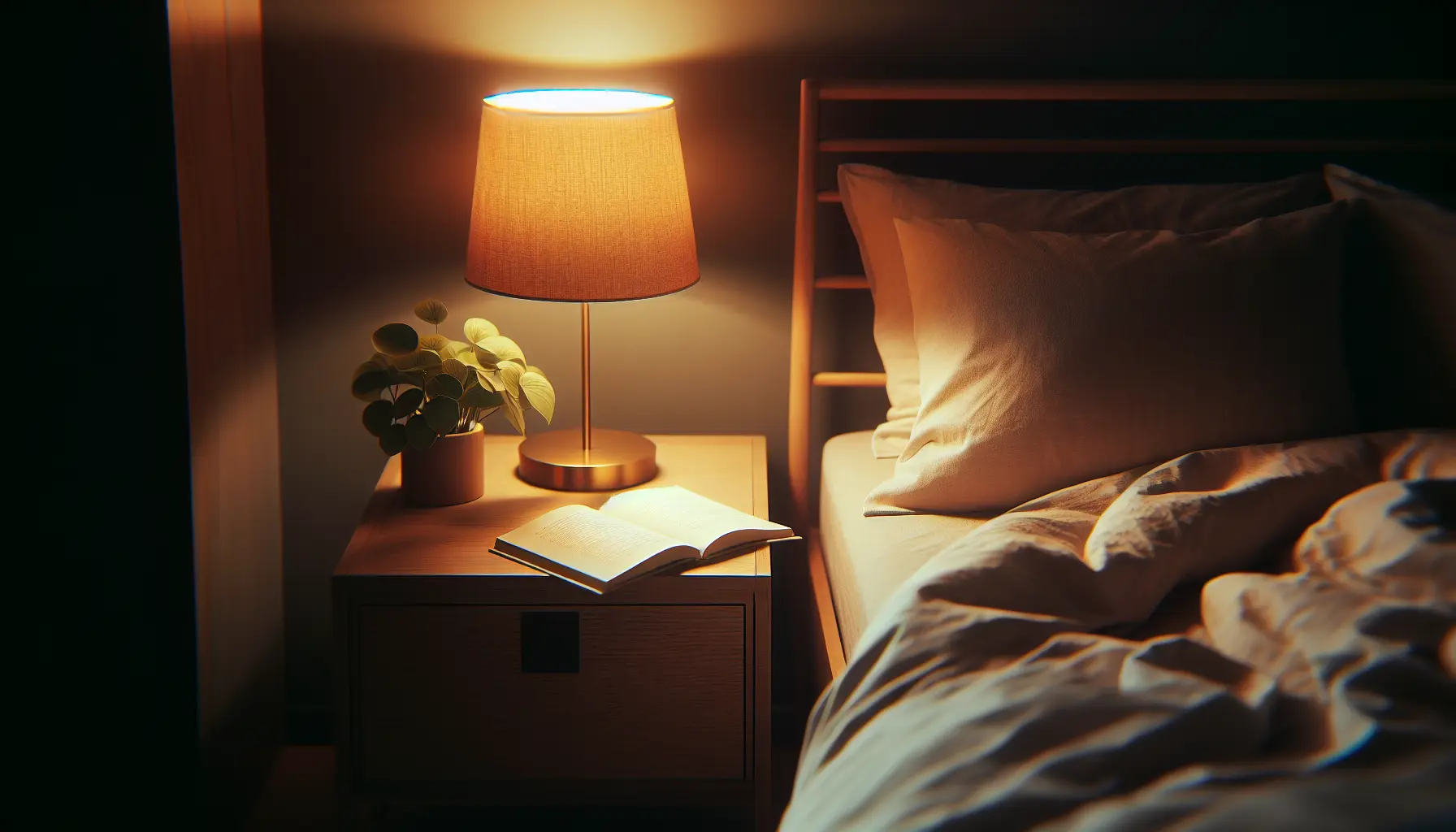
Your evening determines your morning. What you do in the 90 minutes before bed sets your sleep quality, your willpower the next day, and whether the morning habits that high performers swear by actually fire. FineStreak is an accountability app that pairs AI voice check-ins with optional fines you set yourself (from $0.10 up to your rank cap per missed habit, billed via Stripe) to help people build daily habits with skin in the game, and bedtime is one of the habits that pays back most when you put it on there.
This guide breaks down the science-backed night routine that protects tomorrow's performance.
Why Your Night Routine Matters More Than You Think
The connection between evening habits and next-day performance is well-established in sleep science and behavioral research.
Sleep Quality Over Sleep Quantity
Most people focus on getting 8 hours of sleep. But sleep quality matters as much as duration. Research from the National Sleep Foundation shows that sleep fragmented by light, noise, late-screen exposure, or anxiety is far less restorative than uninterrupted, properly timed sleep - even if the total hours are identical.
Your behavior in the 2-3 hours before bed determines whether your brain cycles through the restorative stages of sleep it needs. This means that a night routine isn't just about winding down - it's about actively preparing your nervous system for high-quality recovery.
Decision Fatigue and Cognitive Load
Decision fatigue is the well-documented tendency for decision quality to decline as the number of decisions made in a day accumulates. By evening, most people have made hundreds of decisions and their cognitive resources are genuinely depleted.
A night routine automates evening decisions - what time to stop working, what to prepare for tomorrow, when to stop eating, when to dim the lights - so they no longer draw from your depleted pool. You stop deciding and start executing a pre-decided sequence.
Cortisol and the Sleep-Wake Cycle
Cortisol, the stress hormone, follows a natural daily rhythm. It should be highest in the morning (which is why you feel most alert after waking) and lowest at night. Activities that spike cortisol in the evening - intense news consumption, work emails, arguments, stressful content - disrupt this rhythm and delay sleep onset.
A deliberate night routine signals to your nervous system that the day is ending. The transition itself triggers biological sleep preparation processes, including the release of melatonin.
The Anatomy of an Effective Night Routine
Not all night routines are created equal. The research points to specific components that drive the most benefit.
1. Hard Stop Time (Non-Negotiable)
The single most important element of a night routine is a consistent stop time for work and stimulating activity. Research on circadian rhythms shows that consistency in sleep timing - not just sleep duration - is the primary driver of sleep quality.
That means picking a time (10pm, 10:30pm, 11pm) and actually stopping. Not finishing "just this one thing." Stopping.
This is harder than it sounds. Work creep is real. Notification culture is real. But establishing a hard stop trains your nervous system that the evening belongs to recovery, not production.
2. Digital Sunset (30-90 Minutes Before Bed)
Blue light from screens suppresses melatonin production. But the more insidious issue is cognitive stimulation. If the evening cutoff is the rule you keep breaking, attaching a cost to it is one way to hold it, which is the idea behind an app that charges you for screen time. Social media, news, email, and most entertainment content trigger stress responses, social comparison, or problem-solving thinking that keeps your brain in an activated state.
A digital sunset - where you put down devices at a fixed time before bed - creates a buffer zone of analog activity that allows mental deactivation. The research generally suggests 30-60 minutes minimum, with 90 minutes being ideal.
What you do instead matters. Low-stimulation options include reading physical books, light stretching, conversation with family, journaling, or simply sitting quietly.
3. Tomorrow's Plan (10 Minutes)
One of the biggest sleep disruptors is a wandering mind that replays unfinished tasks and unresolved concerns. The Zeigarnik effect - the tendency to obsess over incomplete tasks - works against you at bedtime.
The remedy is a brief planning session before bed, not a planning session during bed. Spend 10 minutes writing down tomorrow's top priorities, any open loops from today, and anything you need to remember. This "cognitive offloading" tells your brain it's safe to stop rehearsing these items - they're captured, they won't be forgotten.
Research by Dr. Michael Scullin at Baylor University found that writing a to-do list before bed significantly accelerated falling asleep compared to writing about completed activities. The act of writing things down essentially gives the brain permission to let go.
4. Environment Preparation
Preparing your environment for tomorrow reduces the friction of morning habits. Lay out workout clothes if you're exercising in the morning. Prepare tomorrow's meals or at least think about breakfast. Put your bag by the door. Set your coffee to auto-brew.
This isn't about being obsessively organized. It's about recognizing that your future self will be half-asleep and in no condition to make good decisions. The 5 minutes you spend the night before removes dozens of decisions from your morning.
5. Thermal Reset
Core body temperature naturally drops as bedtime approaches - this drop is actually one of the triggers for melatonin release and sleep onset. You can accelerate this by taking a warm shower or bath 60-90 minutes before bed.
Counterintuitively, warming up the surface of your body causes heat to dissipate, which drops your core temperature faster. Research published in Sleep Medicine Reviews found that this technique can reduce time to fall asleep by an average of 10 minutes and improve sleep quality.
6. Consistent Sleep and Wake Times
This is less of a "routine step" and more of a foundational principle that makes every other step more effective. Your circadian rhythm is a biological clock that thrives on consistency. Every hour your sleep and wake times drift, you're essentially giving yourself mild jet lag.
Going to bed and waking at consistent times - even on weekends - stabilizes the circadian rhythm in ways that dramatically improve energy, mood, and cognitive performance the next day. The strongest daytime anchor for that clock is morning sunlight soon after waking. If the wake side of that equation is your struggle, our guide on shifting to an earlier wake time walks through how to move it without white-knuckling your alarm. Part of a good wind-down is setting up tomorrow morning, and some people line up apps that call you to wake up the night before so the first decision of the day is already made.
A Sample Night Routine Structure
Here's what a research-backed evening routine might look like in practice. Adjust the timing to your actual life.
8:30pm - Hard Stop Close all work-related tabs and applications. Anything unfinished gets added to tomorrow's list. Work is done for the day.
8:30-9:00pm - Wind-Down Activities Light stretching, tidying the space, preparing tomorrow's clothes and bag. Low cognitive demand, slightly physical, creates a transition out of work mode.
9:00pm - Digital Sunset Phone on Do Not Disturb and placed out of reach. Screens off. Switch to reading, conversation, or journaling.
9:00-9:30pm - Tomorrow's Plan 10 minutes reviewing today, 10 minutes writing tomorrow's top 3 priorities and any open loops. Close the loop on the day mentally.
9:30-10:00pm - Relaxation Reading a book (physical or e-reader on warm/night mode), light conversation, or just quiet time. No news, no social media.
10:00pm - Lights Out
This 90-minute sequence is relatively simple. The hard part is protecting it from the pull of "just one more thing."
The Connection Between Night Routines and Accountability
Here's something most productivity guides miss: accountability has an evening dimension.
The people who show up consistently for their habits and commitments aren't just motivated in the morning. They're protecting their mornings the night before. They're going to bed on time so they can wake up on time. They're planning tomorrow so they show up with clarity, not confusion.
When accountability partnerships and check-ins are part of your life, they create evening urgency too. Knowing you'll be reporting your progress tomorrow creates incentive to actually do the work today and rest well tonight so you're sharp tomorrow.
This is one reason why habit tracking and accountability systems work better in combination than separately. The streak protects itself by making the night before intentional.
Common Night Routine Mistakes
Starting too late. A night routine that begins at 11pm for a midnight bedtime isn't enough buffer. Start at least 90 minutes before your target sleep time.
Passive screen consumption. Scrolling social media or watching stimulating shows isn't "winding down" - it's just lower-effort stimulation. The brain is still activated.
Making it too rigid. A night routine with 15 specific steps becomes stressful to maintain. Keep it to 4-6 core habits that are sustainable every night.
Skipping weekends. The "I'll catch up on sleep Saturday" strategy undermines the circadian consistency that makes the routine work. Consistency matters more than any single night.
Working right until bed. Transitioning directly from high-pressure cognitive work to sleep is extremely difficult for most brains. The buffer is not optional - it's biological.
Building the Routine Over Time
Don't try to implement an entire night routine at once. The most sustainable approach is the same approach that works for any habit: start with one change, stabilize it, then add the next.
Week 1: Set a consistent wake time and protect it. Week 2: Add the digital sunset 30 minutes before bed. Week 3: Add the 10-minute tomorrow planning session. Week 4: Add environment preparation.
By the end of a month, you'll have a functional, sustainable night routine built through habit stacking rather than willpower.
The Morning You'll Wake Up To
When you run a consistent night routine for 30 days, something changes. You stop dreading mornings. You wake up with less grogginess because your sleep quality has improved. You have fewer decisions to make because last night's-you already made them. You start the day knowing exactly what you're working on.
This is the compounding effect of evening habits. Each good night multiplies the value of the next day. The effect isn't dramatic in week one. But by month three, the cumulative impact on energy, focus, and consistency is unmistakable.
Your morning starts tonight.
The night routine is where tomorrow's success is built. See how FineStreak's accountability check-ins help you close the day with intentionality and show up stronger the next morning.
A note on fines: they are optional. A member who wants one sets it up on the FineStreak website, and the FineStreak iPhone app leaves fines out entirely.
Frequently Asked Questions
What is the best night routine for better sleep?▾
The most effective night routines include a hard stop time for work, a digital sunset 30 to 90 minutes before bed, a 10-minute tomorrow-planning session, environment preparation for the morning, and a consistent sleep/wake time even on weekends. Sleep quality matters as much as duration, and a 90-minute wind-down sequence reliably improves both.
How long before bed should I stop using screens?▾
Research suggests 30 to 60 minutes minimum, with 90 minutes being ideal. The issue is not just blue light suppressing melatonin. Social media, news, email, and stimulating content trigger stress responses and problem-solving thinking that keeps your brain activated well past the time you put the phone down.
Why should I write tomorrow's to-do list before bed?▾
The Zeigarnik effect (the tendency to obsess over incomplete tasks) works against you at bedtime. Research by Dr. Michael Scullin at Baylor University found that writing a to-do list before bed significantly accelerated falling asleep compared to writing about completed activities. The act of writing things down gives the brain permission to stop rehearsing them.
Does a warm shower before bed actually help you fall asleep?▾
Yes. Counterintuitively, warming the surface of your body causes heat to dissipate, which drops your core temperature faster. Research published in Sleep Medicine Reviews found that a warm shower or bath 60 to 90 minutes before bed can reduce time to fall asleep by an average of 10 minutes and improve sleep quality.
How can accountability help me stick to a night routine?▾
Bedtime is one of the hardest habits to maintain because the consequences are delayed. External accountability with real consequences activates loss aversion and the commitment-consistency principle, both of which override the in-the-moment pull toward 'just one more thing.' FineStreak is an accountability app that pairs AI voice check-ins with optional fines you set yourself (from $0.10 up to your rank cap per missed habit, billed via Stripe) to help people build daily habits with skin in the game.
Should I keep the same sleep schedule on weekends?▾
Yes. Your circadian rhythm thrives on consistency, and even small drifts in sleep and wake times create what researchers call social jet lag. Maintaining sleep timing within a 2-hour window on weekends produces measurable improvements in energy, mood, and habit consistency.

Ready to stop making excuses?
FineStreak calls you at the check-in time you pick, tracks your goals, and charges a fine you set if you choose to add one. Free for 7 days, no card.
Try FineStreak free for a weekRelated Articles

Why Do I Keep Quitting the Gym? Where Each Attempt Breaks
Most gym attempts break at the same few points, and the first missed session is the most fixable. Here is the real dropout data and a restart plan that holds.

Why Do I Keep Quitting Things? The Mechanism Behind It (2026)
You quit because one missed day sets off an all-or-nothing cascade. Here is the named mechanism, the five reasons people abandon goals, and what to change.

10 Best Habit Tracking Apps in 2026 (Free and Paid)
The 10 best habit tracking apps in 2026, honestly reviewed. Free and paid picks for iOS, Android, and web, plus what actually makes habits stick long term.

Habit Streaks Psychology: Why the Chain Hurts to Break (2026)
The psychology behind streaks, explained. Loss aversion, the Seinfeld method, Duolingo's 37M-user data, and a 2025 study on why streak rewards beat flat pay.