12 Morning Habits of Successful People (Research-Backed)

Successful people share a pattern in their mornings: they wake before the world needs them, move the body, feed the brain, and protect the first 90 minutes from noise. Here are 12 morning habits backed by research on self-made millionaires, neuroscience, and behavioral studies that you can actually apply today.
Most "morning routine" articles read like a fantasy. Wake at 4 a.m., cold plunge, journal in Latin, meditate on a mountain. Useful if you are a monk. Less useful if you have kids, a commute, and a boss who schedules 8 a.m. standups.
This list is different. Every habit below is pulled from behaviors that show up again and again in studies of high performers, from self-made millionaires to executives to Olympic athletes. You do not need all twelve. Pick two or three and make them boring.
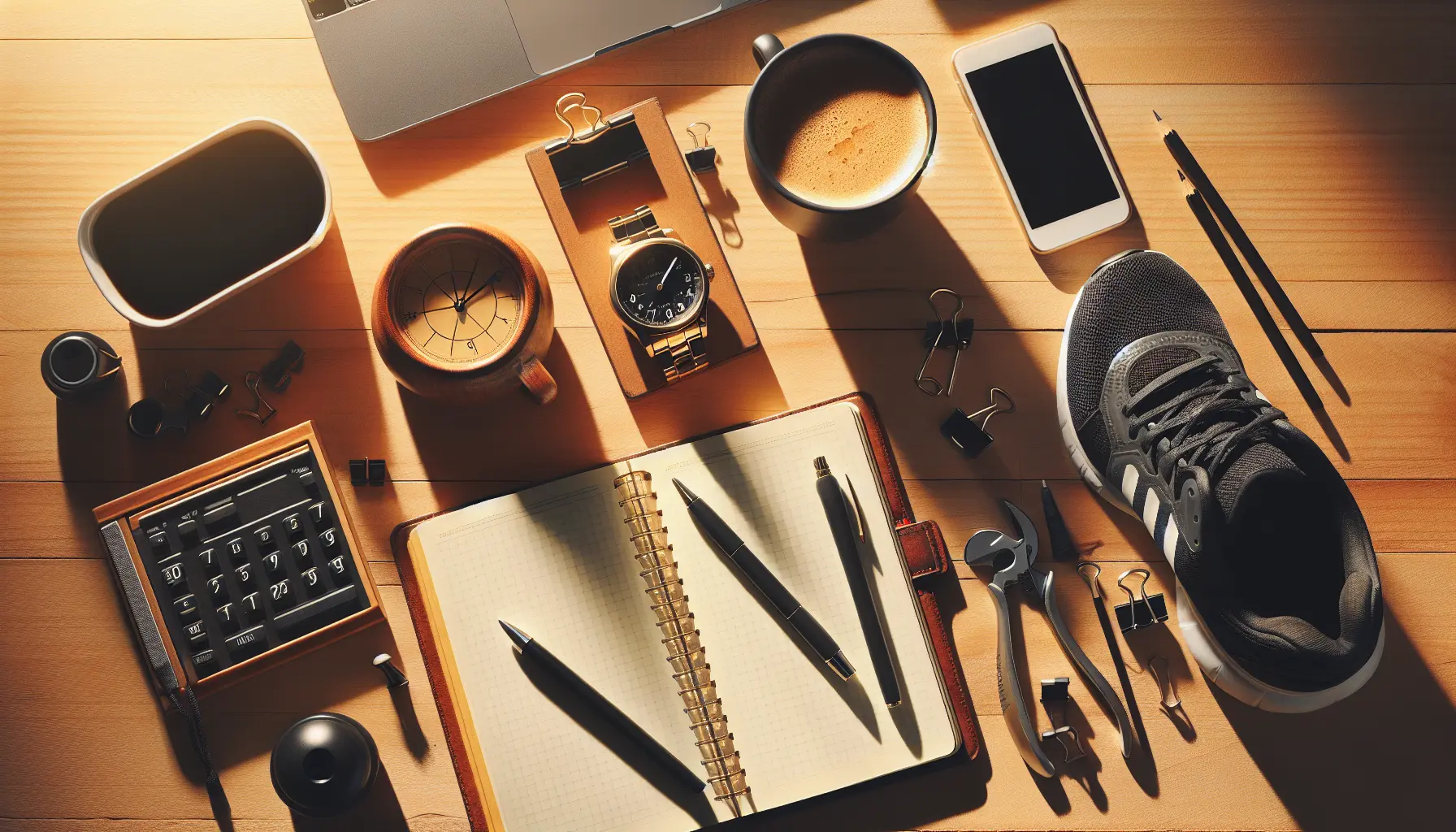
Why Do Successful People Wake Up Earlier Than They Have To?
The headline stat from Tom Corley's 5-year study of 177 self-made millionaires is the one everybody quotes, and for good reason. Roughly 50 percent of them woke at least three hours before their workday began.
That is not about martyrdom. It is about ownership. The first three hours of the day are the only ones nobody else is allowed to touch, and high performers protect them by winding down deliberately the evening before so the early alarm is survivable. And if a pre-dawn alarm sounds impossible from where you sit, our step-by-step plan for earlier wake-ups shows how night owls shift their schedule without misery. For the people who hit snooze before they are even awake, apps that call you to wake up turn the first rep of the day into a phone you cannot ignore.
50% of self-made millionaires wake at least 3 hours before their workday. That is not a coincidence.
Why Should You Avoid Your Phone for the First 30 Minutes?
Cortisol, your body's get-up-and-go hormone, peaks about 30 to 45 minutes after waking. That window, called the Cortisol Awakening Response, is biologically tuned for focused thinking. Burning it on social media is like lighting a fire with a $100 bill.
Put the phone in another room. Use an analog alarm clock. Your emails will survive.
What Does Exercise Do for Your Brain in the Morning?
Twenty minutes of morning aerobic exercise measurably improved executive function and attention compared to prolonged sitting, according to a 2020 study in the British Journal of Sports Medicine. You do not need a gym. A brisk walk counts. A set of pushups counts.
The point is not to get in shape before breakfast. The point is to switch your nervous system from "asleep" to "sharp" before anything important hits your inbox, and doing it outdoors stacks in early morning sunlight that anchors your circadian rhythm for the rest of the day.
Why Do Successful People Hydrate Before They Caffeinate?
You wake up mildly dehydrated every single morning. Coffee is a diuretic, which means chasing sleep with an espresso makes the problem worse before it makes it better. A glass of water first, coffee second. It sounds small. It is not.
Most of the "I cannot function without coffee" crowd are actually just thirsty.
Why Do High Performers Plan Their Day on Paper?
Top performers almost universally externalize their plan, usually in a notebook or an index card. Three priorities. One page. No app required.
Writing by hand forces you to choose. Typing lets you pretend everything is a priority.
Jake, a founder I know, runs a one-sentence rule: "What is the one thing that, if it happens today, makes the day a win?" He writes it at 5:45 a.m. and circles it. That circle is his whole to-do list. That kind of ruthless simplification is the throughline in our look at tracking habits as a busy founder.
Does Meditation Actually Change Your Brain?
An 8-week mindfulness meditation program produced measurable increases in hippocampus gray matter density, per a widely cited 2011 Holzel study published in Psychiatry Research: Neuroimaging. Translation: meditation literally thickens the part of your brain responsible for learning and memory.
Ten minutes. Eyes closed. Focus on the breath. When your mind wanders, notice it and come back. That is the entire instruction set. If sitting still feels like torture, try identity-based habits as a framing tool. "I am the kind of person who meditates" beats "I should meditate."

Why Do Successful People Eat the Same Breakfast Every Day?
Obama wore the same suits. Jobs wore the same turtleneck. The pattern repeats in the kitchen. Decision fatigue is real, and breakfast is where a lot of people waste their first big willpower deposit of the day.
Pick one default breakfast. Eat it until you are bored of it. Then eat it some more.
What Should You Read in the Morning Instead of the News?
Corley's millionaires averaged 30 minutes of reading per morning, and the overwhelming majority of it was biographies, history, or nonfiction related to their field. Not social media. Not the headlines.
News is designed to spike cortisol and sell ads. A book is designed to change the way you think. Pick the book.
Why Do Small Morning Wins Build Momentum?
Making your bed. Wiping the counter. Emptying the dishwasher. Tiny, finishable tasks that give your brain a hit of completion before the real work starts. Admiral William McRaven gave an entire commencement speech about this and it went viral for a reason.
This is the engine behind habit stacking: anchor new habits onto existing ones so the chain pulls itself. Shoes go by the door, so the walk happens. Water glass sits by the coffee maker, so hydration happens. Friction is the enemy. Design it out.
Why Review Your "Why" Before Your "What"?
Before the task list, before email, before Slack. Thirty seconds on the question: why does today matter?
Sounds simple. Is not. Morning-type people scored higher on proactivity and better career outcomes in a 2010 Randler study highlighted in Harvard Business Review, and proactivity is just another word for knowing what you want and moving toward it on purpose.
How Do Successful People Handle Boring Morning Tasks?
Supplements, vitamins, journaling prompt, workout clothes, lunch packed. All of it handled in one compressed window so the rest of the day has room for actual thinking. Successful people are not doing more. They are doing their boring stuff faster.
Why Does Every Great Morning Routine Need a Hard Stop?
Every great morning routine has a finish line. When you cross it, the routine is over and real work begins. Without a hard stop, "morning routine" becomes "procrastination in a tracksuit."
Set a timer. 45 minutes. 60 minutes. Whatever. When it dings, you are done being virtuous and you start being productive.
How These 12 Habits Stack Up
| Morning Habit | Time Needed | Biggest Benefit |
|---|---|---|
| Wake 3 hrs before work | Schedule shift | Ownership of the day |
| No phone first 30 min | 0 min | Protects cortisol window |
| Aerobic movement | 20 min | Focus, mood, cognition |
| Hydrate first | 1 min | Reverses overnight dehydration |
| Plan on paper | 5 min | Forces priority choice |
| Meditate | 10 min | Grey matter, attention |
| Default breakfast | 5 min | Decision fatigue saved |
| Read nonfiction | 20-30 min | Long-term pattern recognition |
| Small wins (bed, etc.) | 5 min | Momentum |
| Review your "why" | 1 min | Proactivity |
| Batch boring tasks | 10 min | Clears afternoon brain |
| Hard stop | 0 min | Prevents routine bloat |
Total time if you do every single one: roughly 90 minutes. Which happens to be exactly the cognitive window the research says you should protect.
How Does FineStreak Help You Actually Stick to Morning Habits?
Here is the unpleasant truth about morning routines. Reading about them is easy. Doing them on a rainy Tuesday in February when your kid had a nightmare at 3 a.m. is not.
This is exactly where FineStreak earns its keep. FineStreak is an accountability app with real fines and check-ins via AI phone call on the schedule you set. You set the morning habit you want to build, say "20 minute walk before 7 a.m." You set a fine, usually between $1 and $5. FineStreak calls your phone in the morning, checks in like an accountability partner, and logs whether you actually did the thing.
Miss it? The fine posts. Real money, not a sad frowny face emoji in an app.
One user, Sarah, set a $3 fine for skipping her morning run. She paid it twice in the first week and has not missed since. Three dollars was enough to sting, not enough to ruin her. That is the whole philosophy: small financial consequences plus a daily voice in your ear plus a community watching your streak. The psychology of streaks does the rest.
If you want the full framework for which habits to pick first, start with our guide to keystone habits. Morning routines are the ultimate keystone.
A note on fines: they are optional. A member who wants one sets it up on the FineStreak website, and the FineStreak iPhone app leaves fines out entirely.
Frequently Asked Questions
What time do most successful people wake up?▾
In a 5-year study of 177 self-made millionaires, about half woke at least three hours before their workday started. That usually lands between 4:30 and 6:00 a.m., though the exact time matters less than the buffer it creates before demands kick in.
Do I have to wake up at 5 a.m. to be successful?▾
No. The research points to early risers having better proactivity scores and career outcomes on average, but genetics play a real role in chronotype. What matters is having a protected window before your workday begins, whether that starts at 5 a.m. or 7 a.m.
What is the single best morning habit to start with?▾
Pick one keystone habit and stack everything else around it. For most people that is either a short workout or ten minutes of focused planning. Both create momentum that spills into the rest of the day without requiring willpower you do not yet have.
How long does it take for a morning routine to feel automatic?▾
Most people feel a routine click somewhere between three and eight weeks of daily repetition. The secret is reducing friction on day one. Lay out clothes the night before, pre-load the coffee, put your journal on the pillow you will hit first.
How can FineStreak help build morning habits?▾
FineStreak is an accountability app with real fines and check-ins via AI phone call on the schedule you set. You set a specific morning habit, like a 20-minute walk before 7 a.m., and a fine for missing it. Most people should start small, around $1 to $5; FineStreak allows anything from $0.10 up to the ceiling your rank has unlocked. The phone call at your scheduled time creates a real moment of reckoning and the fine creates genuine cost for skipping. Most users report the combination makes their morning routine stick faster than anything they have tried before.

Ready to stop making excuses?
FineStreak calls you at the check-in time you pick, tracks your goals, and charges a fine you set if you choose to add one. Free for 7 days, no card.
Try FineStreak free for a weekRelated Articles

Keystone Habits Examples: 5 Small Changes That Rewire Everything | FineStreak
Keystone habits trigger chain reactions that rewire your whole routine. Here are 5 keystone habit examples backed by research, plus how to start one this week.
Habit Stacking: How to Build New Habits by Piggy-Backing on Old Ones
Habit stacking attaches new behaviors to existing routines so your brain treats them as one unit. Here's the formula, the science, and real examples.
Identity-Based Habits: Skip the Goal, Become It
Identity habits beat outcome goals because they rewrite who you are. See the Clear and Wood research and the 3-step identity shift you can run this week.
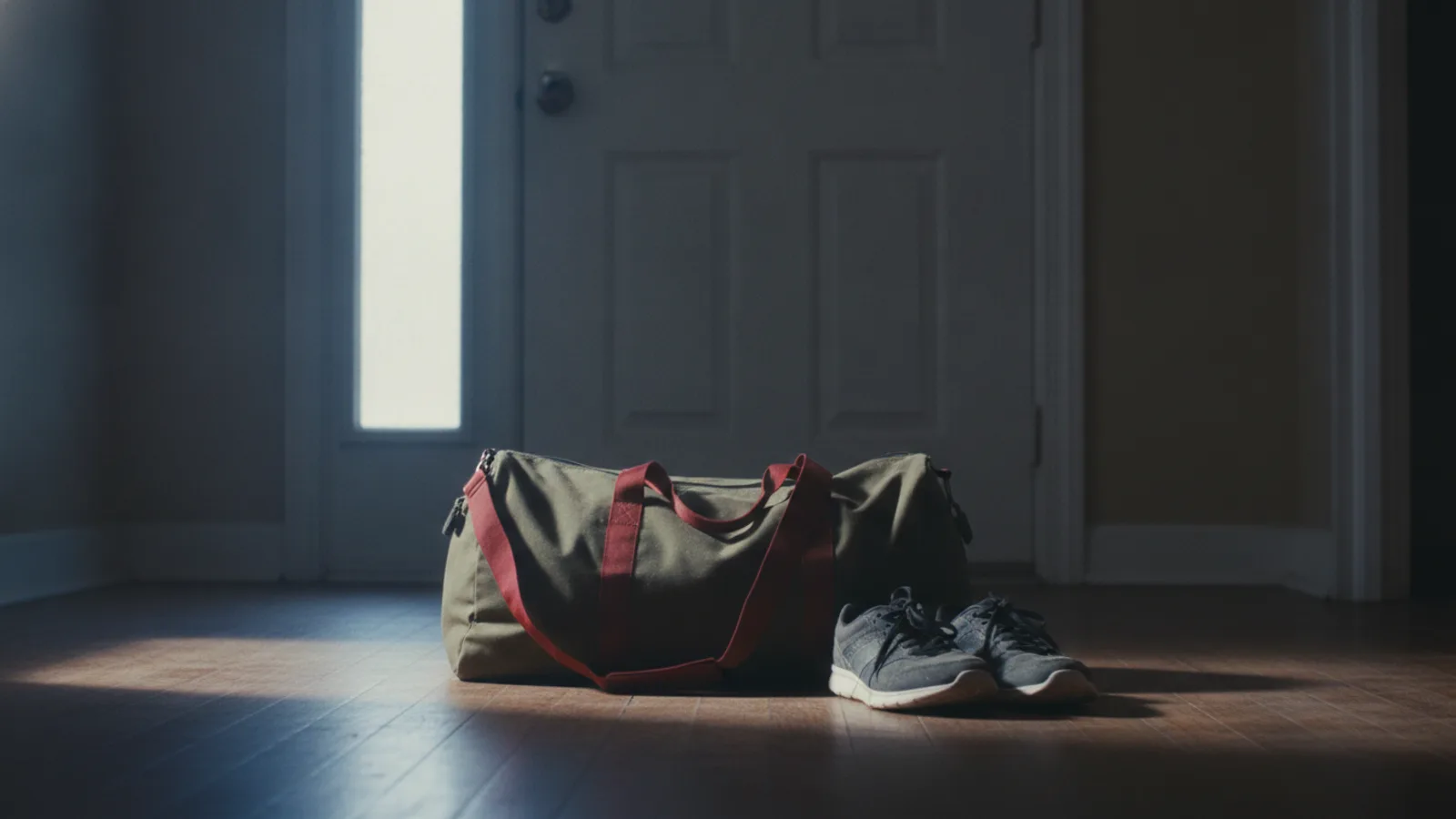
Why Do I Keep Quitting the Gym? Where Each Attempt Breaks
Most gym attempts break at the same few points, and the first missed session is the most fixable. Here is the real dropout data and a restart plan that holds.