The Neuroscience of Craving: What Your Brain Is Doing During Habit Loops | FineStreak
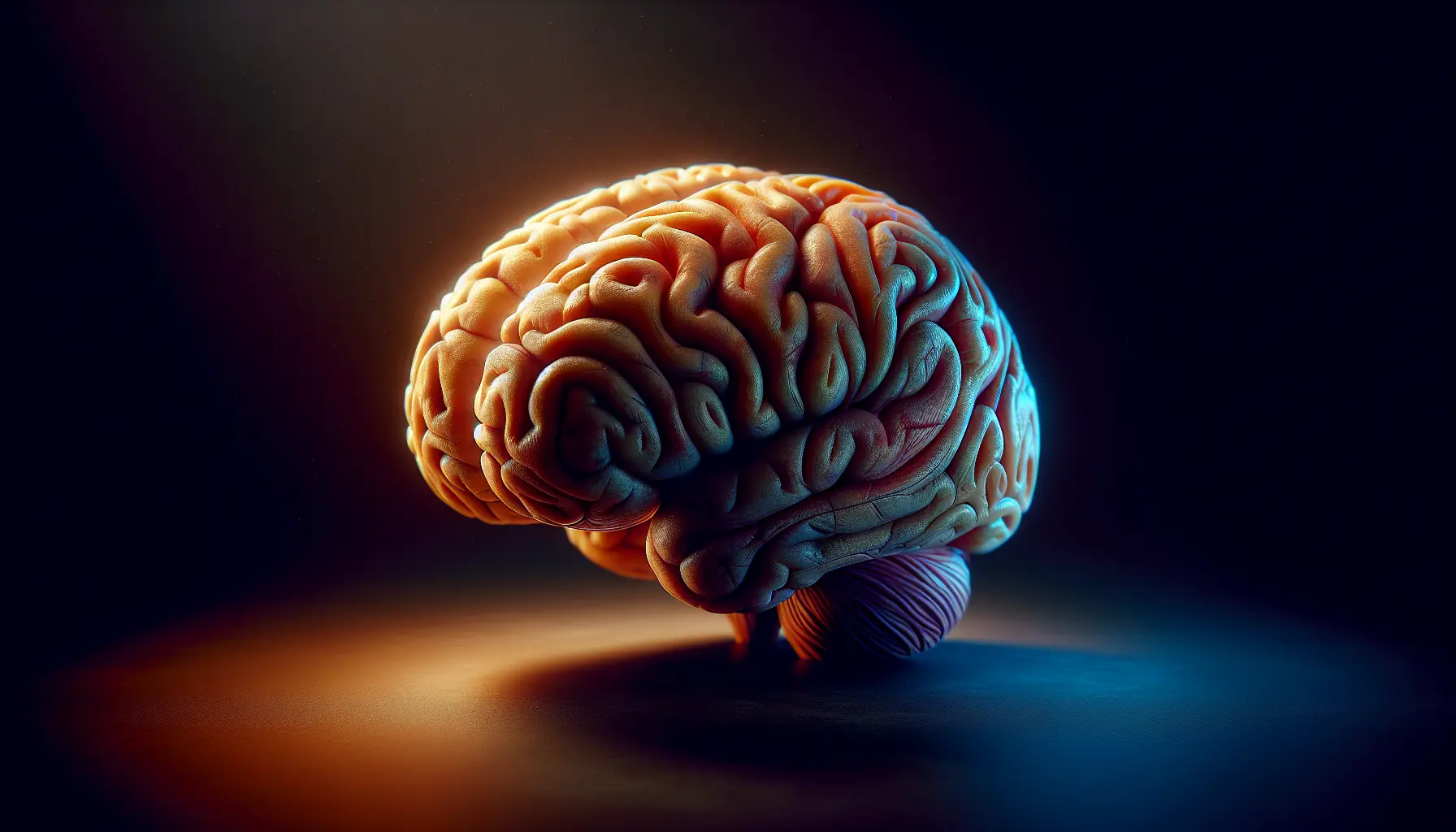
Cravings are not character flaws. They are dopamine doing exactly what it evolved to do: predict reward and pull you toward the cue that signals it. Once you understand the mechanism, you can either feed it (build the habit you want) or starve it (let an unwanted habit fade). FineStreak is an accountability app that uses real financial penalties ($0.10 up to your rank cap per missed habit, billed via Stripe) and AI voice check-ins to help people build daily habits with skin in the game, which is the external pressure that bridges the gap until natural craving develops.
Here is what is actually happening in your brain during a craving, and how to use that mechanism deliberately.
What Craving Is (And Isn't)
Most people assume that dopamine is the "pleasure chemical" - released when you experience something good. This is partially right and mostly misleading.
Neuroscientist Kent Berridge at the University of Michigan spent decades separating the brain systems for wanting (craving) from liking (pleasure). His research established that dopamine is primarily the wanting chemical, not the liking one.
When you anticipate a reward - see a cigarette, smell coffee, hear the notification sound from your phone - your brain releases dopamine. The dopamine drives the craving, the urge to get the thing. Receiving the actual reward produces much less dopamine than anticipating it.
This is why habit cravings feel so urgent and then so anticlimactic. The craving is the peak. Getting the thing is often a let-down. And yet your brain still encoded the pattern: cue - craving - behavior - reward signal (however small) - repeat.
The Nucleus Accumbens and Habit Formation
The nucleus accumbens is the structure most associated with craving and reward learning. It receives dopamine signals from the ventral tegmental area (VTA) and uses them to update the brain's model of what predicts reward.
Early in habit formation, dopamine releases at the reward itself. As the habit becomes established, something shifts: dopamine release moves backward in time, from the reward to the cue. Once this transfer is complete, you've developed a craving - a dopaminergic anticipatory response to the cue.
This is the neuroscience of why habit cues are so powerful. The cue itself triggers a dopamine release that creates an urge. Resisting that urge requires active inhibition from the prefrontal cortex - which is effortful and depletes cognitive resources.
This is also why willpower affects habit resistance more than habit maintenance. Breaking a bad habit requires you to actively resist cravings; maintaining a good habit requires much less effort once the cue-craving-routine chain is established. Read more about the willpower depletion debate.
How Dopamine Actually Drives the Habit Loop
Dopamine doesn't just motivate behavior - it updates predictions. The brain uses a "prediction error" signal: if a reward is better than expected, dopamine spikes. If it's worse than expected, dopamine dips. If it matches expectation exactly, dopamine shows no change.
This system is how habits form and how they change:
- New habit (first repetition): Reward is unexpected - dopamine spike at reward receipt.
- Repeated habit (learning phase): Dopamine release migrates to the cue. Craving forms.
- Established habit: Dopamine is released at the cue. If the expected reward doesn't materialize, a dopamine dip signals "something's wrong."
- Breaking a habit: The cue still triggers dopamine, creating craving. The craving must be managed while the brain updates its prediction model.
This is why breaking bad habits is hard even when you've consciously decided to stop. The cue still fires the craving. The neural prediction is still there. Behavioral change requires enough repetitions of "cue - no reward" to update the prediction.
The Four Pillars of Habit Neuroscience
Behavioral scientists have identified four components that determine whether a habit forms and sticks:
| Pillar | What it is | Why it matters |
|---|---|---|
| Cue | The trigger that signals the brain the routine is relevant | Without a reliable cue, the habit never fires automatically |
| Craving | The dopaminergic anticipatory response - the wanting | Without craving, there's no motivational energy to execute |
| Response | The actual behavior | Must be easy enough to do when craving strikes |
| Reward | The signal that closes the loop and tells the brain to repeat | Must be predictable enough to sustain dopamine prediction |
Most habit attempts fail at the craving pillar. The cue is set (alarm at 6am), the behavior is defined (go to gym), but the craving - the genuine neurological pull toward the behavior - never develops. This is because early habits haven't yet built the cue-to-dopamine connection. The craving comes with repetition, not with willpower, which is the real gap between dopamine and discipline.
This is also the link to accountability systems. When you know that missing a habit will cost you something real (a financial consequence, social embarrassment, a streak reset), your brain's loss aversion circuitry adds anticipatory motivation that supplements the not-yet-formed craving. External accountability bridges the gap until the natural craving develops.
Context and Cue Specificity
Craving is deeply context-dependent. Research on addiction shows that people who successfully quit in one environment often relapse immediately when they return to the original environment. The environment contains the cues that trigger the dopaminergic craving.
This is the neuroscience behind environment design for habits. Changing your environment:
- Removes cues that trigger unwanted cravings
- Adds cues that trigger desired behavior cravings
- Reduces the cognitive effort required to follow through on good habits
The practical implication: if you're trying to break a bad habit, changing your environment is more effective than relying on willpower to resist existing cues. If you're trying to form a good habit, design an environment with consistent cues that will eventually trigger dopaminergic anticipation.
Variable Rewards and the Craving Trap
The brain's craving response intensifies under variable reward conditions - when the reward sometimes appears and sometimes doesn't. Slot machines exploit this. So does social media (scroll, scroll, maybe something interesting, maybe not).
Variable reward schedules produce stronger and more persistent dopaminergic response than fixed reward schedules. This is why apps that give you "likes" sometimes and not others are more addictive than those that always respond consistently. It is also the strongest argument for stripping your phone back to essentials: every variable-reward app you remove is one less slot machine in your pocket. For the apps you keep, a daily cap with a fine attached gives the craving something concrete to push against, which is the approach behind an app that charges you for screen time.
This mechanism can be used intentionally. If you want to build a strong craving for a desired behavior, introducing occasional variation in the reward can strengthen habit persistence. The reward schedules research shows that mixing positive reinforcement with some missed rewards maintains engagement better than constant, predictable rewards over time.
Stress and the Craving Response
Stress amplifies craving for established behaviors, including bad habits. The stress hormone CRF (corticotropin-releasing factor) enhances dopamine signaling in the nucleus accumbens, increasing the intensity of cue-triggered cravings.
This is the neuroscience behind why people revert to old habits under stress. High-stress periods increase the urgency of existing habit cravings while simultaneously reducing prefrontal inhibitory control - making it harder to resist and easier to fall back on automatic behaviors.
Practical implication: build your desired habits during low-stress periods when establishing them is easier. And identify your stress-triggered habit cues before you're under stress, not during.
Building Cravings for Habits You Want
The same mechanism that creates problematic cravings can create beneficial ones. The key is engineering the cue-dopamine-behavior chain deliberately.
Step 1: Create a strong, consistent cue. The cue needs to be present every time you want the habit to trigger. Time-based cues (alarm at 6:30am) and location-based cues (gym bag by the door) are highly reliable.
Step 2: Make the reward predictable and immediate. The brain needs a reward signal quickly after the behavior, because holding out for a delayed payoff is a genuinely difficult skill rather than a character trait you either have or lack. For habits with delayed natural rewards (exercise, meditation), adding an immediate reward - a favorite podcast during the run, coffee immediately after meditation - accelerates habit formation.
Step 3: Protect the early repetitions. Before the cue-craving transfer happens (which takes weeks to months), the habit depends on conscious memory. Use reminders, implementation intentions, and environmental cues to prevent breaking the chain during the critical early period.
Step 4: Let the craving build. As you repeat the behavior, notice the anticipatory feeling that begins to emerge when the cue appears. This is the dopamine transfer in progress - the beginning of automatic motivation. This is what habit formation feels like neurologically.
| Stage | What's happening in the brain | What it feels like |
|---|---|---|
| Repetitions 1-10 | Dopamine at reward only | Deliberate, effortful |
| Repetitions 10-30+ | Dopamine beginning to shift to cue | Becoming easier, occasional anticipation |
| Repetitions 30-100+ | Dopamine predominantly at cue | Craving precedes behavior; feels automatic |
| Established habit | Cue triggers immediate craving | Feels wrong not to do it |
Urge Surfing: Working With Cravings Instead of Against Them
In clinical psychology, a distinction is made between craving (the cognitive wanting - the thought "I want to do X") and urge (the somatic drive - the physical sensation associated with the wanting).
The urge is the dopamine signal. The craving is the conscious interpretation of it. Understanding this distinction is useful because you can observe the urge without automatically acting on it - a technique called "urge surfing" in mindfulness-based treatment.
Urge surfing: when you notice an urge for an unwanted behavior, observe the physical sensations rather than acting on them. The dopamine signal peaks and fades - typically within 15-20 minutes if not reinforced. Each time you observe and let an urge pass, you slightly weaken the prediction model that generated it.
This is not easy. But it's one of the few techniques with neuroscientific grounding for managing established cravings without substituting another behavior.
Understanding the neuroscience of craving doesn't make habit change easy - but it makes the process predictable. You're not fighting character flaws; you're working with a learning system that can be deliberately shaped.
FineStreak builds the cue-routine-reward tracking that makes your desired habit cravings visible and manageable. Try it free.
A note on fines: they are optional. A member who wants one sets it up on the FineStreak website, and the FineStreak iPhone app leaves fines out entirely.
Frequently Asked Questions
What is the neuroscience of habit formation?▾
Habit formation is a process of neural encoding in the basal ganglia. Repeated pairing of a cue with a behavior and reward causes dopamine to shift from the reward to the cue, creating anticipatory craving. Over dozens to hundreds of repetitions, the brain chunks the cue-routine-reward sequence into an automatic behavior that runs without conscious deliberation.
How does the habit loop work?▾
The habit loop is a three-part cycle: cue (a context signal), routine (the behavior), and reward (the consequence that closes the loop). Dopamine drives this process not at the reward but in anticipation of it. Once the brain associates the cue with an expected reward, it releases dopamine at the cue, creating a craving that motivates the routine.
What is the 3-3-3 rule for habits?▾
The 3-3-3 rule refers to a three-stage progression for habit establishment: push through the first 3 days (when the habit feels most foreign), the first 3 weeks (when motivation drops and consistency is hardest), and the first 3 months (when the habit becomes truly automatic). Each stage requires different strategies.
What are the 4 pillars of habits?▾
The four pillars of habit formation are cue (the trigger), craving (the anticipatory motivation), response (the behavior), and reward (the consequence that closes the loop). Popularized by James Clear in Atomic Habits, this framework expands the original three-part habit loop to explicitly include the craving layer.
Why is it so hard to resist cravings?▾
Cravings are dopaminergic signals that evolved to drive behavior toward reward. Resisting them requires active prefrontal cortex inhibition, your thinking brain overriding your habit brain. This is effortful and depletes with repeated use, which is why willpower is harder to sustain throughout a long day or over weeks without structural support like external accountability.
What is the 72-hour brain reset for habits?▾
The 72-hour brain reset refers to the observation that craving intensity for a recently broken habit tends to peak within the first 72 hours before declining. The theory: dopamine prediction firing is strongest immediately after stopping a behavior, then gradually reduces as the cue-reward association is updated. Surviving 72 hours without responding to a cue is often the hardest part of breaking an established habit.

The mechanism, pointed at your Tuesday.
Knowing why habits fail changes nothing on its own. FineStreak puts a check-in on the calendar, asks for proof, and applies the consequence you chose. Free for 7 days, no card.
Put it into practiceRelated Articles

Variable Reward Schedules: The Habit Science Slot Machines Use
Variable rewards arrive unpredictably, and dopamine peaks when the odds sit near fifty-fifty. Here is what the research shows and where fixed consequences work better.
Cognitive Biases That Sabotage Your Habits (And How to Beat Them)
Seven cognitive biases sabotage habits, each with a known fix. Learn the countermeasures that turn these invisible saboteurs into manageable design problems.
Nutrition and Willpower: How Your Diet Affects Self-Control
Research once claimed glucose directly fuels willpower. The full picture is more nuanced - and more actionable. Here's what nutrition actually does to your self-control and habits.
Stress and Habits: Why You Revert to Old Behaviors Under Pressure
Under stress, even your best habits crumble while your worst ones roar back to life. This isn't weakness - it's neuroscience. Here's why stress triggers habit reversion and how to build habits that hold up when life gets hard.