Nutrition and Willpower: How Your Diet Affects Self-Control
TL;DR: Diet affects willpower, but not primarily through blood glucose levels. Blood sugar stability, omega-3 intake, gut-brain signaling, and your beliefs about food and self-control all shape your capacity for habit maintenance. The practical implication: stable energy beats sugar hits, and what you eat affects how you behave hours later.
For about a decade, nutrition and willpower seemed to have a clean relationship: self-control runs on glucose, glucose comes from food, therefore eating sugar restores willpower. It was a satisfying, simple story.
The research behind it is more complicated - and ultimately more useful.
Here's what we actually know about how diet affects your capacity to maintain habits and exercise self-control.
The glucose hypothesis: what the research actually says
The glucose-willpower connection originated from a 2007 paper by Matthew Gailliot and Roy Baumeister in Psychological Science. Their research suggested that acts of self-control deplete blood glucose, and that restoring glucose via sugary drinks improved subsequent self-control performance.
This fit neatly with Baumeister's ego depletion model: willpower as a limited resource that runs on glucose.
The problem came when other labs tried to replicate the finding.
A 2013 study published in PNAS by Veronika Job and colleagues found that the glucose effect only appeared in people who believed willpower was a limited resource. People who believed willpower was abundant showed no willpower depletion and no benefit from glucose consumption - regardless of what they actually ate.
More striking: research showed that rinsing your mouth with glucose solution without swallowing improved self-control performance. This is neurologically impossible if the effect is purely about fueling the brain. It suggests the mechanism includes psychological signaling - the brain detecting "food incoming" and loosening its resource conservation.
The glucose-willpower relationship is partly about what your brain signals in response to detected glucose - not just raw fuel supply.
This doesn't mean nutrition doesn't matter. It means the mechanism is more complex than "eat sugar, get willpower."
What nutrition actually does to self-regulation
The more complete picture involves several pathways:
Blood sugar stability. Glucose spikes followed by crashes impair prefrontal cortex function - the brain region governing planning, impulse control, and decision-making. This is why meal timing and glycemic load matter more than absolute glucose intake, and why steady blood sugar pairs well with the behavioral impulse-control strategies that keep you from acting on a craving. Stable blood sugar over 4-6 hours supports sustained self-regulation better than repeated sugar hits.
Neurotransmitter precursors. Serotonin, dopamine, and norepinephrine - the neurotransmitters most associated with motivation, mood, and self-control - are synthesized from dietary amino acids. Tryptophan (precursor to serotonin) comes from protein-rich foods. Tyrosine (precursor to dopamine and norepinephrine) is abundant in lean meats, dairy, and eggs. Consistent protein intake supports the raw materials for self-regulation neurochemistry.
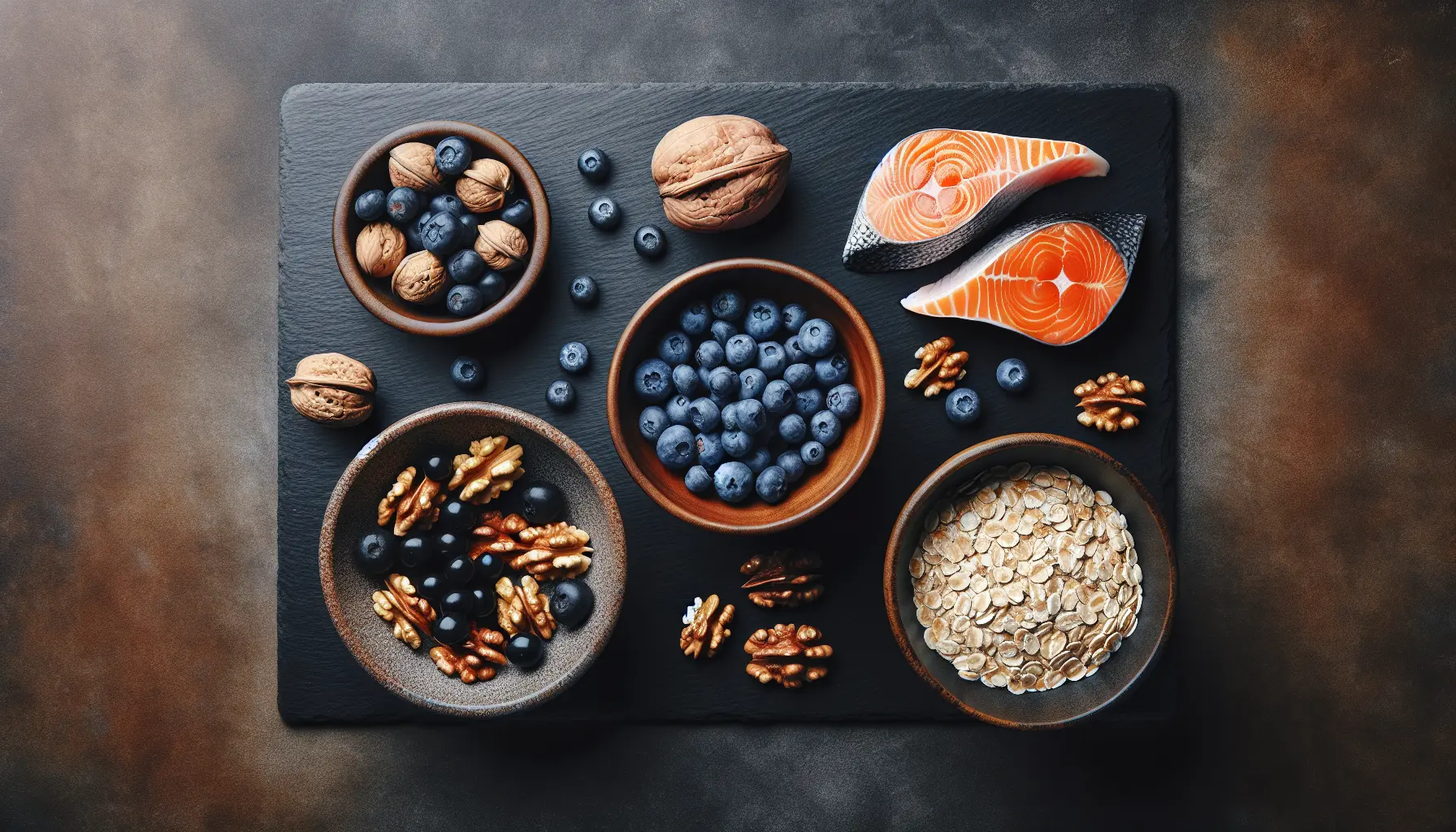
Omega-3 fatty acids. Research published in Biological Psychiatry and other journals links omega-3 deficiency to impaired impulse control, increased emotional reactivity, and reduced cognitive flexibility. Fatty fish (salmon, sardines, mackerel), walnuts, and flaxseed are the primary sources. The evidence for omega-3s and mood/cognition is among the most replicated in nutritional psychiatry.
Gut-brain axis. Roughly 90% of serotonin is produced in the gut by microbiome bacteria. Research from the field of nutritional psychiatry suggests that diets high in ultra-processed food alter the gut microbiome in ways that reduce serotonin production and increase inflammation markers associated with impaired emotional regulation. This connection between diet, gut health, and behavior is still being mapped, but the direction of the evidence is consistent.
Hydration. Even mild dehydration (1-2% body weight) measurably impairs working memory, attention, and mood in controlled studies. Since habits depend on cognitive engagement to stay intact during the formation phase, chronic mild dehydration is a real obstacle to habit maintenance that's often overlooked.
Foods that support willpower: the evidence
| Food Category | Key Nutrients | Mechanism | Effect on Self-Control |
|---|---|---|---|
| Fatty fish (salmon, sardines) | Omega-3 DHA/EPA | Reduces inflammation, supports prefrontal function | Strong positive association |
| Legumes, oats, sweet potatoes | Complex carbs, fiber | Slow glucose release, 4-6 hour stability | Moderate positive |
| Lean proteins (eggs, chicken) | Tyrosine, tryptophan | Neurotransmitter precursors | Moderate positive |
| Dark berries (blueberries, blackberries) | Anthocyanins, antioxidants | Reduces oxidative stress in brain tissue | Moderate positive |
| Nuts (walnuts, almonds) | Omega-3s, magnesium, protein | Multi-pathway brain support | Moderate positive |
| Ultra-processed foods | Refined carbs, seed oils | Blood sugar volatility, gut microbiome disruption | Negative |
| High-sugar foods/drinks | Simple sugars | Short spike followed by crash | Negative (reliable) |
The practical implications for habit maintenance
If you're trying to build a habit that requires discipline and decision-making - especially early in the formation phase when the behavior isn't yet automatic - these nutritional principles translate directly:
- Eat a protein-anchored breakfast before any willpower-intensive work. Skipping breakfast causes blood glucose to drop through mid-morning, precisely when most people schedule important habit work. Even a small protein-containing meal stabilizes the baseline.
- Avoid high-glycemic foods before habit-critical moments. A breakfast of white bread and juice followed by a mid-morning energy crash is not a neutral choice for habit maintenance. The timing of blood sugar volatility matters.
- Space meals roughly every 4-5 hours. Rather than eating once or twice daily (which creates long glucose valleys), consistent meal spacing maintains the energy stability that supports self-regulation throughout the day.
- Prioritize omega-3 intake, especially if your habits involve emotional regulation. Two servings of fatty fish per week is the research threshold most associated with measurable mood and cognition benefits.
- Drink water before habit-critical decisions. The behavioral impact of mild dehydration is underestimated. If you're trying to maintain habits around focus or self-control, hydration is a free, immediate lever.
The belief effect: what you think about food and willpower matters
The research by Veronika Job and colleagues points to something that nutrition science alone can't explain: your beliefs about willpower and food moderate the actual physiological effect.
People who believe willpower is abundant show less depletion across tasks and less sensitivity to blood glucose fluctuations. People who believe willpower is scarce deplete faster and benefit more from glucose replenishment.
This connects to broader willpower depletion research suggesting that ego depletion is partly a learned response rather than a purely physiological one. If you've internalized the belief that you need sugar to focus, your performance may actually improve after eating sugar - not because of the glucose, but because your brain now believes it can perform.
The practical implication: avoid building rituals around needing specific foods to exercise willpower. You don't want to require a glucose hit before every difficult decision. Build beliefs about your capacity that don't depend on what you just ate.
Sleep, nutrition, and willpower: the compound effect
Nutrition doesn't operate in isolation. The sleep-willpower connection is one of the most replicated findings in behavioral research: even one night of poor sleep produces self-regulation impairments comparable to blood alcohol levels above legal driving limits.
Poor sleep also drives food choices. Sleep-deprived individuals consistently show increased preference for high-calorie, high-glycemic foods - exactly the foods most associated with blood sugar volatility and impaired self-control. The cycle compounds: poor sleep leads to poor food choices, which lead to blood sugar crashes, which impair the decision-making needed to improve sleep.
Breaking the cycle requires addressing both simultaneously. You can't optimize nutrition for willpower while ignoring decision fatigue and sleep quality.
What this means for building habits
The nutrition-willpower connection is real, and it is more tangled than the popular version suggests. Here's the distilled guidance:
What matters most:
- Blood sugar stability (achieved through regular meals, protein, fiber, complex carbs)
- Omega-3 intake (2+ servings fatty fish per week, or supplementation)
- Consistent hydration
- Avoiding ultra-processed food patterns that disrupt gut-brain signaling
What matters less than the hype suggests:
- Specific "superfood" supplements marketed for focus
- Glucose drinks as willpower restoration (effect is partly belief-based)
- Meal timing precision beyond rough 4-5 hour spacing
What you can do right now: Assess your blood sugar stability pattern. Do you experience energy crashes at predictable times? Are those the same times your habits feel hardest to maintain? That correlation is probably causal.
Eating patterns are also the hardest place to rely on willpower alone, because the decision comes back several times a day. If that is the goal you are working on, our guide to an accountability app for weight loss covers what to check in on and how often. Designing the decision out of your day beats deciding well several times a day, and building habits without willpower covers the setups that manage it.
Frequently Asked Questions
Does what you eat affect your willpower?▾
Yes, but not through the simple glucose model that was popular in the 2000s. Blood sugar stability, gut-brain signaling, neurotransmitter precursors, and your beliefs about food and willpower all play roles. Erratic eating patterns and processed food diets consistently correlate with poorer self-regulation.
What foods boost willpower and self-control?▾
Foods that stabilize blood sugar over several hours support self-control best: lean proteins, complex carbohydrates (oats, sweet potatoes, legumes), fatty fish rich in omega-3s, and dark berries. High-glycemic foods (candy, white bread) produce short spikes followed by crashes that impair decision-making.
Does sugar give you willpower?▾
Temporarily and unreliably. Early research suggested glucose replenishment boosted self-control, but later studies showed that even rinsing your mouth with glucose solution (without swallowing) improved performance - suggesting the effect is partly psychological signaling, not fuel delivery.
Can skipping meals hurt your habits?▾
Yes. Skipping meals causes blood glucose to drop, which impairs prefrontal cortex function - the brain region responsible for planning, impulse control, and habit maintenance. This is why making habit-critical decisions when hungry is reliably worse than making them after eating.
Does caffeine help with willpower and habits?▾
Caffeine improves alertness and reduces fatigue, which can support habit maintenance. However, it doesn't directly increase willpower capacity - it reduces the perception of effort. Caffeine dependence can also create withdrawal states that impair the self-regulation it was supposed to support.

The gym does not care whether you show up.
FineStreak does. An Agent checks in at the time you picked and asks for proof you were there, with a fine attached if you want one. Free for 7 days, no card.
Start your free weekRelated Articles
The Willpower Depletion Myth: What 23 Labs Actually Found
The willpower depletion myth has been debunked by major replication studies. Learn why ego depletion fails to replicate and how beliefs shape self-control.

How Sleep Deprivation Destroys Your Willpower (And What to Do About It)
The science connecting sleep quality to self-control, habit formation, and discipline - and why your late nights might be the hidden reason your habits keep failing.

Decision Fatigue: Why Fewer Daily Choices Make You Sharper
Decision fatigue destroys your habits and judgment by depleting the reserve that powers self-control. Automate defaults to keep your best behavior cheap.

Build Habits Without Willpower: Environment First
Willpower fails as a habit-building strategy. Redesign your environment so the good habits happen automatically. Behavioral science explains why it works.