How to Keep Your Habits While Traveling: A Science-Backed Guide
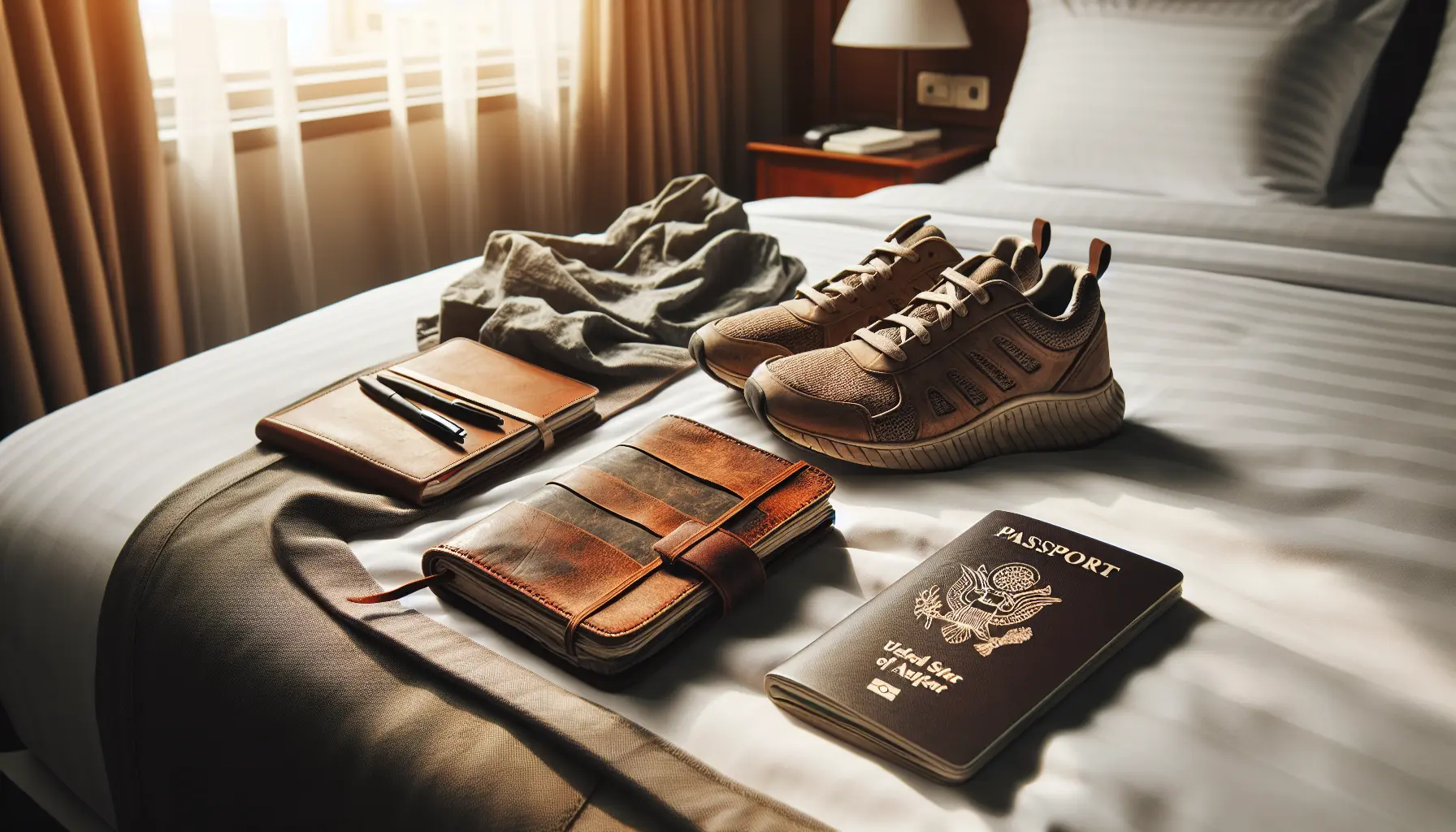
TL;DR: Habits break during travel because your environmental cues - the triggers that make behavior automatic - don't come with you. The fix isn't trying to maintain everything. It's identifying your 3-5 keystone habits, building portable triggers, and aiming for 70-80% consistency rather than perfection.
Your morning routine runs on autopilot at home. Coffee machine on, workout gear on, out the door - no decisions required. Put yourself in a hotel in a different timezone with no coffee maker and no familiar gym, and the whole sequence collapses.
This isn't weak willpower. This is how habits actually work.
Understanding why travel disrupts routines is the first step to keeping them intact. The science here is clear - and so is the fix. For disruptions bigger than a trip, like a move or a new job, the rebuild-from-scratch guide goes deeper.
Why travel breaks habits (it's not about discipline)
Habits are cue-driven behaviors. According to Wendy Wood's research at the University of Southern California, roughly 43% of our daily actions are habitual - triggered automatically by environmental and contextual cues rather than deliberate decisions.
Your morning run isn't triggered by motivation. It's triggered by your alarm, your workout clothes laid out the night before, the familiar route you've run a hundred times. Your reading habit isn't triggered by a love of books. It's triggered by sitting in a specific chair at a specific time.
Remove the cues, and the behaviors don't fire automatically. They become decisions. And decisions require willpower, which travel depletes rapidly through jet lag, decision overload (where to eat, what to do, how to get there), and sleep disruption.
Travel doesn't weaken your character. It removes the environmental scaffolding that makes your habits automatic.
This is actually good news. If habit breakdown during travel were about discipline, the solution would be uncomfortable (try harder). Since it's about cue removal, the solution is practical: build portable cues that travel with you.
The keystone habit strategy
The most effective travel habit strategy isn't maintaining everything. It's identifying which habits act as keystone habits - behaviors that pull other behaviors along with them.
Research on keystone habits, originally outlined by Charles Duhigg in The Power of Habit and supported by studies on exercise and self-regulation, shows that some habits have an outsize effect on overall behavior. People who exercise regularly tend to eat better, sleep better, and procrastinate less - even when they didn't specifically try to change those behaviors.
For travel, this means you don't need to maintain 15 habits. Maintain 3 keystone habits and many of the others stay intact by association.
Common keystone habits worth protecting during travel:
- Sleep schedule anchor: Wake up within 60 minutes of your normal time, even across timezones. This regulates cortisol, energy, and decision-making capacity for the whole day.
- Morning movement: Even 10 minutes - a walk, a bodyweight circuit, stretching - activates the physical state your brain associates with a productive day.
- Hydration baseline: One of the first things to slip during travel. Keeping hydration consistent prevents the cognitive fog that makes all other habits harder.
- Journaling or planning: A 5-minute review of intentions for the day preserves the metacognition that keeps you aware of your habits at all.
Choose 2-4 from this list based on which ones have the most downstream impact on your other behaviors. Those are your non-negotiables. Everything else can flex.
Building portable triggers
The solution to removed cues isn't willpower - it's environment design that travels with you. The key insight is that triggers don't have to be physical locations. They can be sequences, times, or objects that are portable.
How to build portable triggers:
| Trigger Type | Home Version | Travel Version |
|---|---|---|
| Location | Home gym | Hotel room floor (put on workout shoes immediately) |
| Time | 6:30am run | First 30 minutes after waking, wherever |
| Object | Coffee machine starts morning | Specific playlist starts morning |
| Sequence | Wake → Coffee → Journal | Wake → Brush teeth → Journal (coffee optional) |
| Social | Partner holds you accountable | Accountability app daily check-in |
The most reliable portable trigger is a body-based sequence. Habit stacking onto behaviors you definitely will do while traveling - brushing your teeth, showering, eating breakfast - gives your habit a cue that goes wherever you go.
The 70-80% maintenance target
Behavioral researchers studying routine disruption - including work on how holiday periods affect habit continuity - consistently find that perfectionism about maintaining routines during travel is counterproductive.
Aiming for 100% maintenance creates rigidity. When one habit slips (because it will), the all-or-nothing mindset can cascade into abandoning everything. This is the stress and habit reversion pattern in action: a single failure triggers a "what's the point" response that's more destructive than the original slip.
Aim for 70-80% instead. This creates room for genuine travel experiences - late nights, different meal timing, sightseeing that disrupts your workout window - without triggering the abandonment response.
The practical math: If you normally exercise 5 days a week and manage 3 during a 2-week trip, that's 60% - a minor dip, not a disaster. Your habit hasn't been broken. It's been maintained at a reduced frequency that preserves the neural pathways and behavioral identity.
Pre-travel habit planning
Implementation intentions - specific "if-then" plans made in advance - significantly increase habit follow-through in unfamiliar environments. A 2010 meta-analysis by Peter Gollwitzer and Paschal Sheeran found implementation intentions produced a medium-to-large effect size (d = .65) on goal attainment across 94 studies.
The travel version looks like this:
Before you leave:
- List your top 4 habits by priority - what matters most to maintain
- For each, write the travel trigger: "When I [travel anchor], I will [habit]"
- Identify the minimum version of each habit that still counts
- Pack any physical items that support your triggers (resistance bands, journal, supplements)
- Set up your accountability system to continue operating during travel, since travel is the clearest test of the [systems versus goals](/blog/systems-vs-goals-habit-building) distinction
Example plan for a 5-day work trip:
- "When I finish brushing my teeth each morning, I will do 10 minutes of movement"
- "When I get to my hotel room each night, I will write 3 sentences in my journal before opening my laptop"
- "When I feel the urge to check social media at the airport, I will read instead"
The specificity is the point. Vague intentions ("I'll try to exercise") don't survive the friction of unfamiliar environments. Specific triggers and minimum versions do.
Managing jet lag's impact on habits
Crossing 3+ timezones disrupts circadian rhythms, which affects cortisol regulation, energy levels, and crucially, the time-based triggers your habits rely on. Anyone whose schedule shifts permanently rather than for a trip faces the same problem on repeat, which is why shift workers building habits on rotating schedules lean on body-event anchors instead of clock times.
A few adjustments help:
- Anchor to local time immediately. Don't keep your home timezone on your phone. Your body will adjust faster and your habit timing will stay coherent.
- Expose yourself to morning light. Bright morning light is the most powerful circadian resetter available. Even 10 minutes outside within an hour of waking significantly accelerates adaptation.
- Lower your habit expectations for the first 48 hours. Jet-lagged decision-making is genuinely impaired. This is not the time to establish new habits or push through demanding ones.
Re-entry: the most important moment
How you re-enter your routine after travel matters as much as what you maintained during it. Many people return from trips feeling like their habits are further deteriorated than the travel itself caused.
This happens because re-entry is treated as optional rather than deliberate. The moment you're home, before you unpack, before you check emails, execute your keystone habits. The physical environment has returned. Use it.
If your habit relapse recovery plan isn't triggering automatically within 24 hours of returning home, you haven't designed a strong enough re-entry protocol.
The rule: returning home is its own trigger. Make it an explicit one.
A simple travel habit framework
| Phase | Focus | Action |
|---|---|---|
| Pre-trip (week before) | Plan | Write if-then triggers for top 4 habits |
| First 48 hours | Adjust | Low expectations, protect sleep and hydration |
| Main trip | Maintain | Hit 70-80% on keystone habits, let others flex |
| Last day | Prepare | Set up home environment for re-entry |
| Return day | Re-activate | Execute keystone habits before unpacking |
Frequently Asked Questions
Why do habits break when you travel?▾
Habits depend on environmental cues to trigger automatic behavior. When you travel, the cues that normally fire your habits - your kitchen, your gym, your desk - disappear. Without those triggers, the behavior doesn't happen automatically and requires conscious decision-making, which is much more fragile.
How do you maintain a workout habit while traveling?▾
Identify the minimum version of your workout that still counts - even 15 minutes of bodyweight exercises. Pre-commit to a specific trigger (after breakfast, before showering) that travels with you. Aim for 3 sessions per week instead of 5. Maintenance is the goal, not progress.
How long can you take a break from a habit before you lose it?▾
Research suggests habits begin to weaken significantly after about 3 weeks without repetition, though this varies by habit strength and duration. A habit you've maintained for 2 years is far more resilient than one you built 3 weeks ago. Missing a few days rarely destroys a strong habit.
What are keystone habits and why do they matter for travel?▾
Keystone habits are single behaviors that tend to pull other good habits along with them. For travel, maintaining just 2-3 keystone habits (sleep schedule, hydration, morning movement) often preserves the rest of your routine far better than trying to keep every individual habit intact.
Should you try to maintain 100% of your routine while traveling?▾
No. Research and practitioners agree that 70-80% maintenance during travel is a genuine win. Trying to replicate your full home routine creates rigidity and stress. The goal is maintaining enough to re-enter your normal routine smoothly when you return.

A broken streak costs nothing. That is the problem.
FineStreak attaches something real to the miss, on the schedule you set, with the amount you chose. Setting a fine is optional. Free for 7 days, no card.
Make the miss cost somethingRelated Articles

Environment Design for Habits: How to Make Good Behavior the Default
Your environment cues about 43% of daily behavior. Learn to redesign your home and workspace so good habits feel automatic and bad ones get real friction.

Keystone Habits Examples: 5 Small Changes That Rewire Everything | FineStreak
Keystone habits trigger chain reactions that rewire your whole routine. Here are 5 keystone habit examples backed by research, plus how to start one this week.
Implementation Intentions: If-Then Plans That Double Follow-Through
If-then plans take 30 seconds to write and 2-3x your follow-through (94-study meta-analysis). Get the exact template, worked examples, and barrier plans for any goal.

Habit Stacking: How to Build New Habits by Piggy-Backing on Old Ones
Habit stacking attaches new behaviors to existing routines so your brain treats them as one unit. Here's the formula, the science, and real examples.